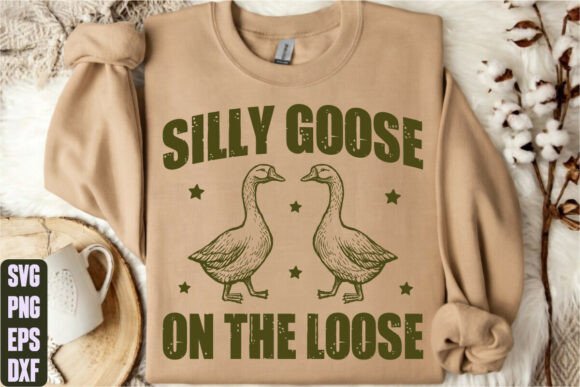
Silly Goose on the Loose: A Whimsical Embroidery Review
As someone who stitches designs for clients and my own small shop, I always evaluate a new embroidery file like Silly Goose on the Loose SVG with a practical eye. It’s not just about if it’s cute; it’s about how it translates from screen to stitches, and whether it holds up in a real project. Let’s talk about that.
The First Impression: Lighthearted Charm for Product Appeal
Opening the file, the immediate vibe is playful and friendly. The “silly goose” concept isn’t just a graphic; it’s a mood. This design creates a sense of lighthearted humor, perfect for gifts or products that don’t take themselves too seriously. The layout and presumed detail level suggest it’s more illustrative than minimalist, which gives it a personality that stands out. For me, that signals it belongs on projects where you want to evoke a smile: a custom tote bag for a quirky friend, a baby’s nursery pillow cover, or an apron for someone who loves a fun kitchen.
Where This Goose Flies Best in Real Projects
Thinking through my recent work, I can see Silly Goose on the Loose SVG fitting seamlessly into several areas. For custom apparel, a well-embroidered version on a mid-weight sweatshirt or t-shirt would be a hit. The whimsical theme boosts the handmade presentation, making it feel like a personalized gift rather than just another graphic tee. For small business merchandise, like an embroidered patch applied to a canvas bag, it adds unique value and brand consistency for a boutique selling playful, handmade goods.
It’s also a strong candidate for holiday gifts or boutique products. Imagine it stitched neatly on a tea towel or a pillow cover—it becomes a conversational piece, not just decor. For Etsy sellers and craft fair vendors, this kind of design has high giftability and recognition, engaging buyers who look for something with character. In my experience, designs with this personality perform well as finished products in photos and printable mockups, which is crucial for digital product sellers showcasing their assets.
Considering Embroidery on Specific Items
- Tote bags and aprons: Stable fabrics here are ideal. The design’s charm elevates a simple utilitarian item.
- Baby clothes and blankets: Careful selection of soft fabric and thread is key, but the playful theme is perfect for nursery decor.
- Caps and hats: This is a trickier application. The curved surface requires checking how the design’s layout might distort, especially if there are detailed corners.
- Pillow covers and kitchen towels: Probably the most natural fit. The flat, often linen-like fabric provides a great canvas for clear stitching.
Cautionary Notes: Where to Hoop Carefully
Not every design is universal, and a practical review must note where Silly Goose on the Loose SVG might need extra consideration. Based on its presumed illustrative style, I’d be cautious on very small hoop sizes. Compressing the details could lose clarity. Similarly, on textured or stretchy fabric like some t-shirts, the stitch density needs to be appropriate to prevent puckering. If the design includes tiny lettering or dense stitch areas, test it first.
Dark fabric backgrounds require thoughtful thread color contrast planning. And for products destined for frequent washing, like baby items or apparel, the integrity of smaller decorative accents must be ensured with proper technique and stabilizer. This isn’t a criticism of the design; it’s just the reality of professional embroidery work.
Practical Impact on Your Craft Business
Using a design like this affects more than just the stitch. It influences customer trust and professionalism. A clean, well-executed embroidery of a charming graphic like this on your product tells a buyer you pay attention to quality. It boosts the visual appeal of your handmade product line, making your small shop product or Etsy listing stand out. For commercial embroidery projects, it offers a ready-made, engaging asset that can be adapted for client needs, perhaps for a boutique’s branded merchandise or a personalized gift service.
Embroidery Designer Notes for a Smooth Project
Before you commit this goose to a client’s sweatshirt or your own product line, do your due diligence. Here’s my standard checklist:
- Always test on scrap fabric first. Use the same material you plan for the final product.
- Review thread color contrast against both light and dark backgrounds. Create simple black and white mockups to see the form clearly.
- Confirm your hoop size can accommodate the design without compromising detail.
- Inspect the file for any small details that might require adjusting stitch settings.
- Use the proper stabilizer for your chosen fabric. This is non-negotiable for professional results.
- Check the licensing terms clearly. Before selling finished items or using it in commercial embroidery, ensure your use is permitted.
These steps aren’t glamorous, but they separate a hobbyist experiment from a reliable, sellable finished product. They ensure the Silly Goose on the Loose SVG performs as well in reality as it does in your imagination.
A Final Real-Life Scenario
Picture this: a client requests a custom embroidered tote bag as a wedding gift for a couple known for their goofy sense of humor. You select a sturdy cotton canvas. You hoop the Silly Goose on the Loose SVG, choose a vibrant but sophisticated thread palette, and stitch it with a satin stitch outline and fill stitches for the body. The result isn’t just a bag; it’s a thoughtful, personalized artifact that perfectly captures the recipients’ personality. That’s the real project use I envision. It’s not about the file alone; it’s about how you, as a maker, translate it into something with genuine appeal and durability.
In the end, this design’s value lies in its ability to be stitched into something that feels special. With practical preparation and an understanding of its strengths and considerations, Silly Goose on the Loose SVG can certainly be a delightful addition to your embroidery project repertoire.