Let the Weekend Begin: A Designer's Honest Embroidery Review
When an embroidery design file lands in my library, my first question isn't "Is it pretty?" It's "How will it live and breathe on a real project?" I approach Let the Weekend Begin not as a graphic on a screen, but as stitches on fabric, as a product in a client's hands, or as an item in my shop's inventory. This review is from that practical, stitch-by-stitch perspective.
The First Impression: Weekend Mood in Thread
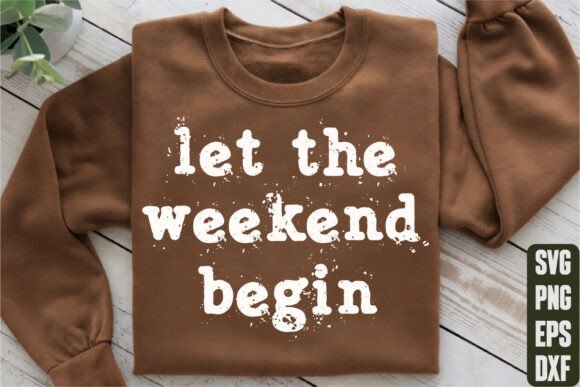
Let the Weekend Begin lands with a specific, cheerful personality. It’s an elegant inspirational quote, yes, but its real power is its mood. It feels celebratory, light, and optimistic. That’s a valuable starting point. As a designer, I immediately picture it not on a poster, but on fabrics and goods that embody relaxation and personal time. The layout and typography suggest it’s designed for visual clarity, which is crucial for embroidery where dense details can get lost. This isn't a overly complex graphic; it feels like a statement meant to be read and appreciated quickly, which is perfect for wearable items and decorative pieces.
Where This Design Thrives in Real Projects
Thinking through my recent work and client requests, several applications spring to mind. The category of T-Shirt Designs is a natural home, but I always push further. Here’s where I believe Let the Weekend Begin would perform exceptionally well.
Imagine a custom embroidered tote bag for a friend's birthday. This isn't just a bag; it's a gift with a message. Stitched cleanly on cotton canvas, the quote becomes a personal mantra she carries. For a small business like a boutique or Etsy shop, this design could anchor a line of weekend-themed merchandise. Embroidered on the chest of a relaxed-fit sweatshirt, it creates a cozy, aspirational product perfect for casual wear. I see it equally charming on a baby’s romper or a child’s jacket, celebrating the family weekend ahead, or stitched as a neat patch on a denim jacket for a handmade, personalized look.
The design’s elegance makes it suitable for more refined gifts too. A beautifully embroidered pillow cover for a lounge space, a kitchen towel for someone who loves their Saturday morning coffee, or even a simple cap for a weekend gardener. For craft fair products or holiday gifts, its universal appeal is a strong selling point. It’s not seasonal; it’s a perennial feeling people want to wear and own.
Visual Appeal and Stitching Clarity in Practice
In embroidery, the transition from digital file to physical stitches is everything. A design like this, which relies on clear lettering and likely some decorative accents, needs to maintain its integrity. On a medium-weight fabric like a sweatshirt or tote bag, with proper stabilizer, I anticipate the satin stitches or fill stitches for the letters would come out crisp. The overall stitch density needs to be balanced—not so dense that it stiffens a t-shirt, but solid enough to look professional on a tote. This balance directly affects the product value and customer trust. A clean, legible embroidery job makes a handmade product feel expertly crafted, not amateur. That builds brand consistency for a business and boosts the item's giftability.
Caution Zones: Where to Proceed Carefully
No design is universally perfect, and an experienced embroiderer knows where to test first. For Let the Weekend Begin, I’d be cautious on certain substrates. Small hoop sizes might compress the design, risking tiny lettering becoming blurry or indistinct. Textured fabrics like some knit sweaters could break up the clean lines. On very thin or stretchy fabric, careful stabilizer choice is paramount to prevent puckering.
Dark fabric is a classic consideration. Does the design have enough inherent weight and spacing to allow for potential thread color changes? Sometimes light-colored text on a dark background needs slightly adjusted stitch density to pop. I would absolutely test it on a dark scrap first. Similarly, curved surfaces like caps can distort flat layouts; checking the design in a curved mockup is wise. The goal is to ensure the inspirational quote remains inspirational after stitching, not a confusing blur.
A Real-Life Scenario: Preparing a Client’s Gift
Let’s walk through a concrete scenario. A client asks for a personalized holiday gift: an embroidered apron for her sister who loves hosting weekend brunches. She chooses Let the Weekend Begin. My process starts on scrap fabric—a piece of similar canvas weight. I check thread color contrast against the apron’s base color. I review the stitch density by running a test, watching for any overly dense areas that might make the apron stiff. I confirm the hoop size needed and inspect the small details, like any decorative dots or flourishes, to ensure they’ll survive the stitching process. I might even test a black-and-white mockup to see the pure shape, free from color influence. This due diligence isn't just technical; it’s what separates a disappointing project from a treasured gift.
Practical Notes for Designers and Makers
Whether you’re a hobbyist creating a one-off gift or a commercial embroidery business producing dozens of items, your approach to a design file should be methodical. For this and any similar embroidery design, here are my ingrained habits.
- Always, always stitch a test on scrap fabric first. It reveals everything.
- Evaluate thread color contrast for both light and dark fabric backgrounds.
- Consider the end product’s life—will it need frequent washing? A robust stitch structure matters.
- Use the appropriate stabilizer for the fabric type; it’s the foundation of your stitch quality.
- Before selling finished items or using the design in digital product previews for your shop, confirm the licensing terms. Not all graphics are cleared for commercial use.
- Think about presentation. A clean embroidered piece using this design on a simple tote bag can look more professional and engaging in an Etsy listing than a cluttered one.
Let the Weekend Begin has the potential to be a versatile asset in your embroidery project library. Its strength lies in its clear mood and likely straightforward execution. By treating it as a physical component, not just a digital file, you can transform it into finished products that resonate—whether they’re for your own weekend wear, a client’s custom request, or your small shop’s next bestselling merchandise.