Why "Gardening is Dirt Cheap Therapy" Works for Real Projects
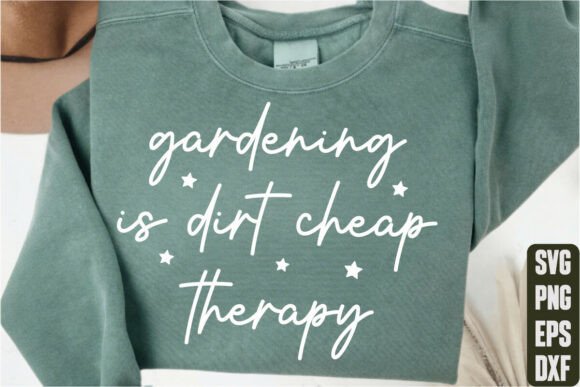
When I first saw the “Gardening is Dirt Cheap Therapy” embroidery design, it struck me immediately as a design with a genuine, warm personality. It’s not just an inspirational quote slapped onto a graphic; the layout and typography have a relaxed, earthy elegance that perfectly matches the sentiment. This isn’t a loud, bold declaration—it’s a gentle, knowing wink to anyone who has ever felt the calm of tending to plants. As a designer preparing to stitch this for real client work or shop products, that mood is the first thing I consider. It tells me this design belongs on items meant to feel personal, comforting, and a bit nostalgic.
The Natural Habitat for This Design
In practical terms, where does this design live best? Given its theme and elegant quote styling, I envision it thriving on everyday items that carry a touch of handmade warmth. Imagine a custom embroidered tote bag for a gardener, a cozy fleece blanket for a nursery, or a simple tea towel in a kitchen. It feels perfect for a boutique’s line of spring-themed aprons or a heartfelt holiday gift for a parent who loves their backyard plot. For small business owners, this design translates beautifully into a product with high “giftability”—it’s specific enough to resonate deeply with a niche audience (gardeners and nature lovers) yet universal in its appeal to anyone seeking simple joys.
The “T-shirt scraps” mention in the description is a useful clue. It suggests the design has been considered for apparel, and indeed, a well-placed stitch of this on the chest of a linen shirt or the sleeve of a relaxed sweatshirt could look fantastic. It would elevate a basic garment into a thoughtful, personalized piece. For baby clothes, it could be sweet on a little romper, though the scale would need careful adjustment.
Stitching It Into Reality: Performance and Pitfalls
Moving from the idea to the hoop, how does this embroidery file perform in real-life situations? The elegance of the quote implies likely use of satin stitches for the lettering and perhaps fill stitches for any decorative elements. This is where your preparation as an embroidery designer matters most.
For success on custom apparel like t-shirts or sweatshirts, especially on stretchy or thin fabrics, you’ll need a robust stabilizer strategy. The stitch density must be checked to prevent puckering. On textured fabrics like a fleece blanket or a knitted cap, the design’s clarity is key—you want that inspirational quote to read cleanly despite the fabric’s surface. I would strongly advise testing this design on a scrap of your intended project fabric first. This lets you see the thread color contrast in reality and inspect any small details in the lettering or accents.
Dark fabric backgrounds present a classic challenge. Does the design rely on fine, light-colored lines? A test in both black and white mockups, even digitally before stitching, helps gauge its visual appeal across applications. For curved surfaces like caps, the layout’s width and height become critical—a long, horizontal quote might not fit gracefully.
One of the most important practical notes: always confirm the licensing terms before using any design for commercial embroidery projects or selling finished products. Can you use it for your craft business items on Etsy? Is it cleared for small shop merchandise? This step protects your business and builds customer trust through professionalism.
Where to Use a Gentle Hand
This design, with its likely elegant typography, requires careful placement in a few scenarios. Small hoop sizes might compress the details, making tiny lettering lose its readability. On heavily layered garments like thick hoodies, you need enough punch to make the stitches stand out. For products destined for frequent washing, like kitchen towels or baby items, the stitch integrity and thread choice are paramount to longevity.
When considering it for an embroidered patch, the design’s edges and density must be suitable for a standalone applique approach. Not all graphics translate neatly into a patch format without adjustment.
Turning a Digital File into a Beloved Finished Product
The value of a design like “Gardening is Dirt Cheap Therapy” isn’t just in the digital embroidery file itself; it’s in how it transforms a blank item into a story. For creative entrepreneurs, this design is a ready-made design asset that speaks directly to a passionate community. Stitched onto a simple canvas tote, it suddenly becomes a boutique product with a narrative. On a pillow cover in a sunroom, it becomes personalized home decor.
This impact on visual appeal and buyer engagement is significant. In a marketplace crowded with generic text, a well-executed, cleanly stitched version of this quote on a handmade product stands out. It feels considered. It enhances the handmade presentation and can become a consistent element for a brand focused on wellness, nature, or simple living.
For embroidery designers and apparel decorators, the final step is always the practical check: review the file, match your thread colors to the mood (perhaps greens, browns, and soft creams), and ensure your hoop size accommodates the design’s scale for optimal stitching clarity. Then, watch a simple project like a tea towel or a sweatshirt become a piece of “dirt cheap therapy” for its recipient—and that’s the real proof of a design’s worth.